Hydrangea
Hydrangea macrophylla
Page last updated: Jan 1st, 2025
Overview
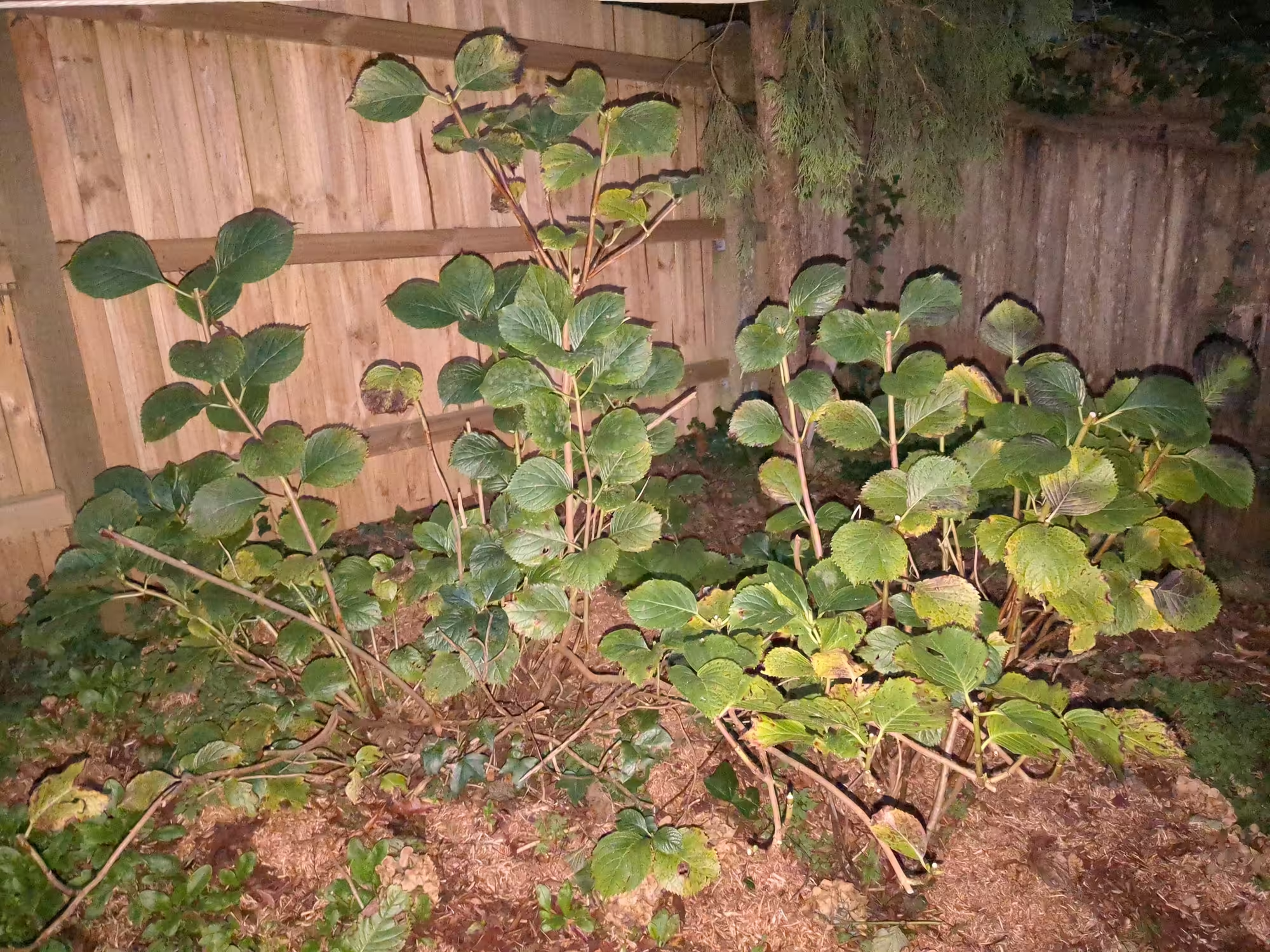
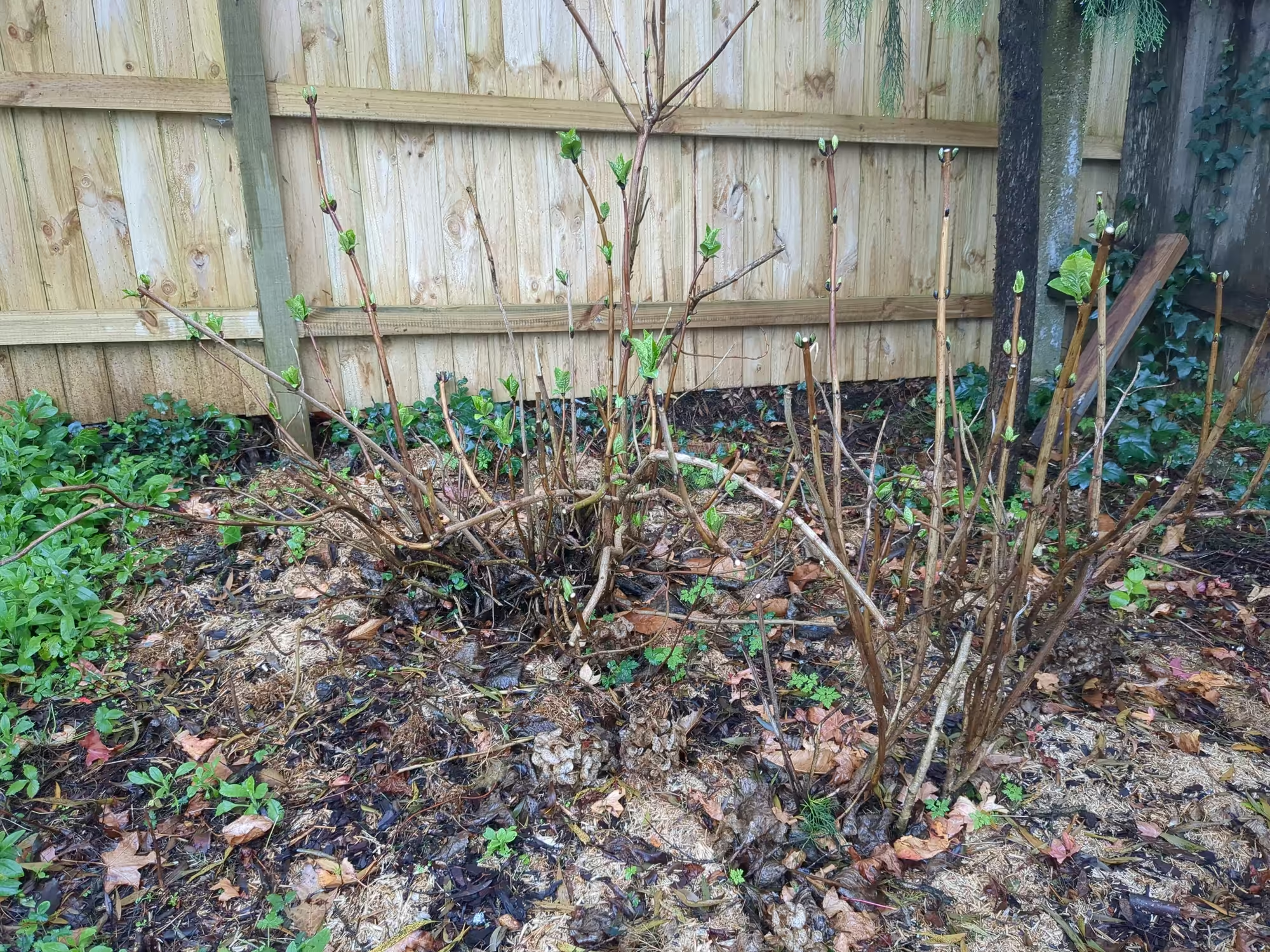
A deciduous plant that goes right back to branches in winter.
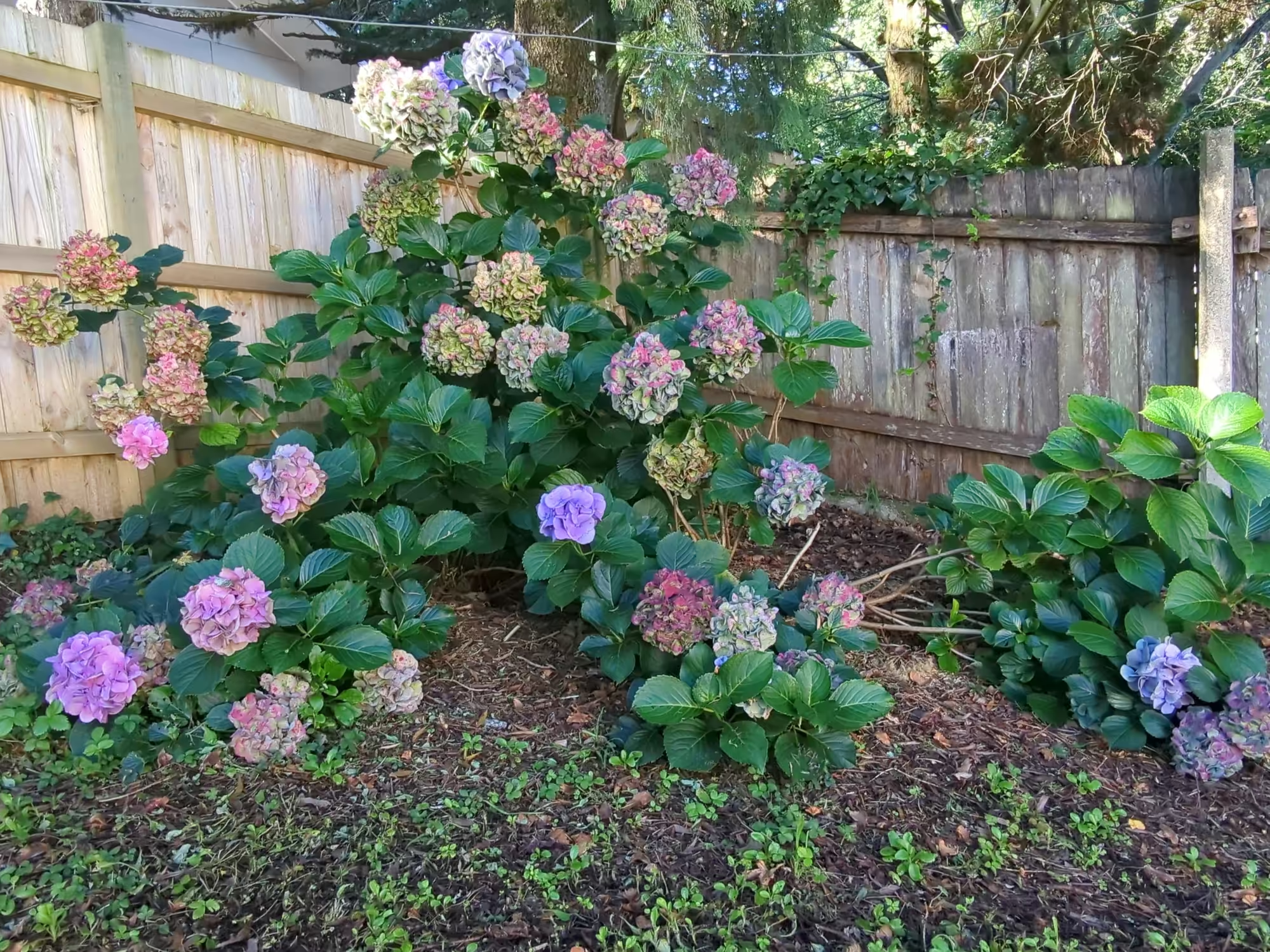
Seasonal Photos
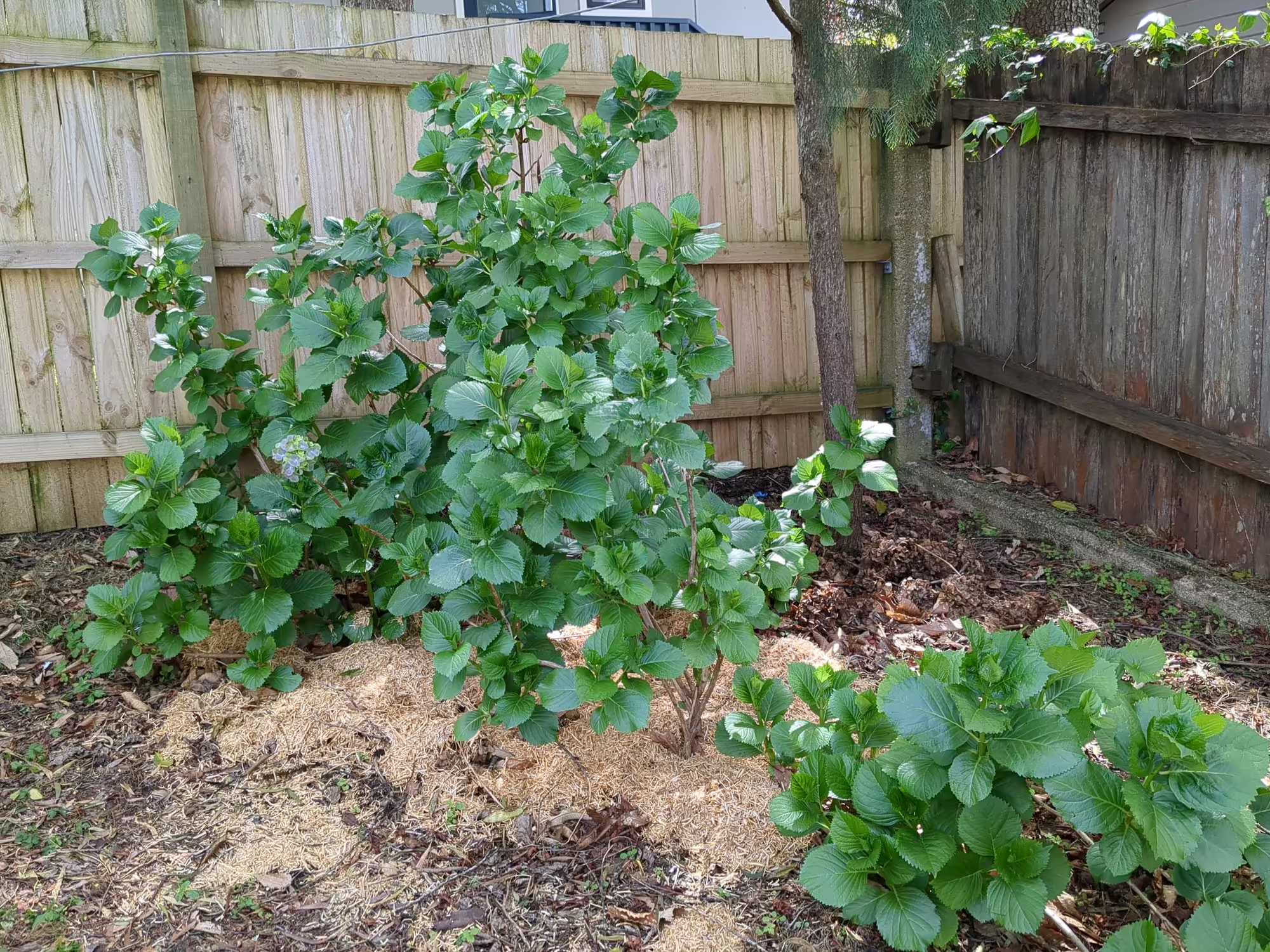
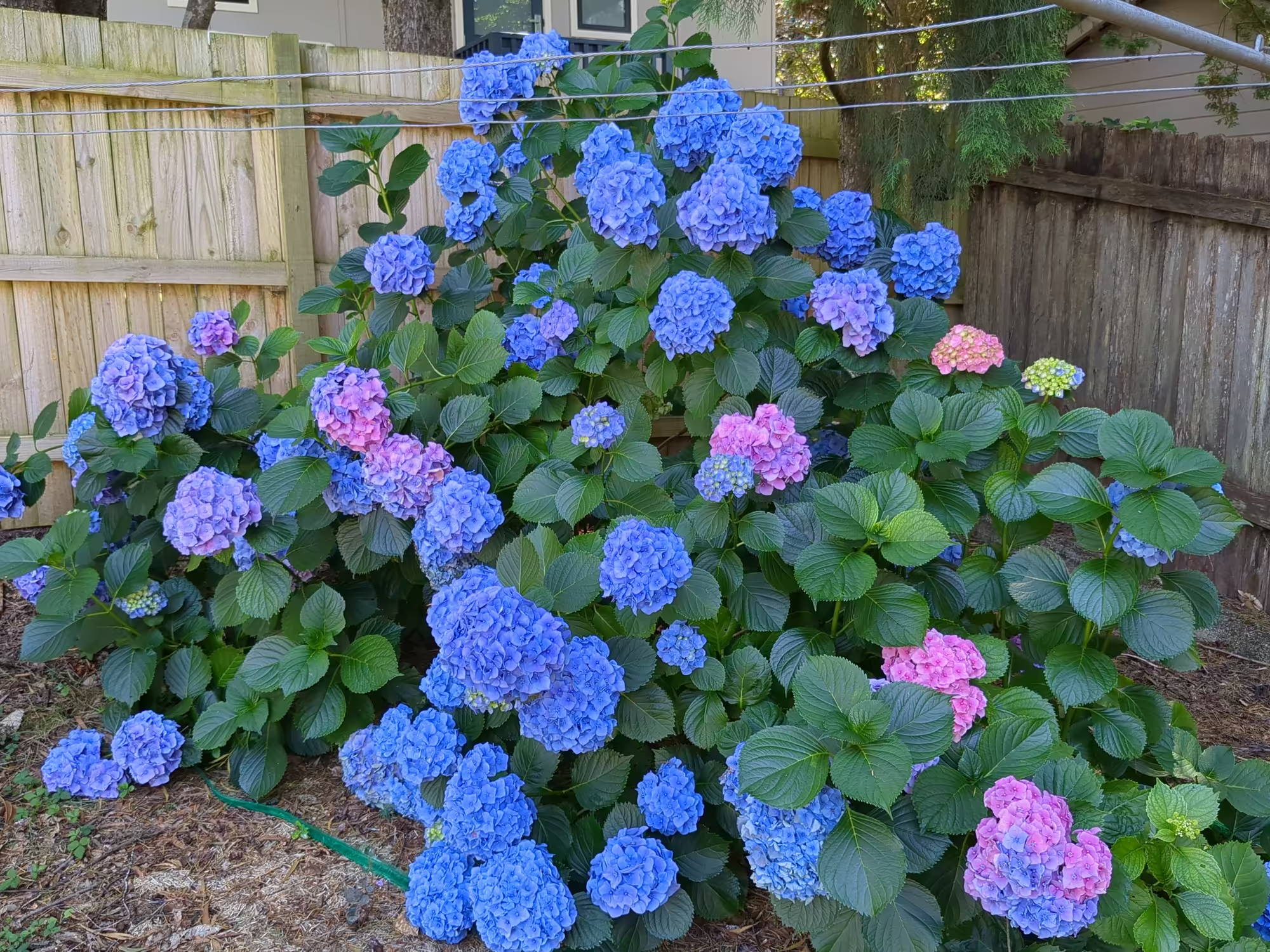
| Spring | Summer | Autumn | Winter |
|---|---|---|---|
 |
 |
 |
 |
Care Instructions
Prune in mid-late winter once the plant has entered dormant mode (leaves yellowing, flowers dead, minor mildew). Prune stems with dead flowers, go down the stem from the flower to where healthy buds are starting to form, this can be a pretty aggressive prune. Prune stems without flowers less, go down from tip ~6” to where buds should be forming. Prune some stems (approx 1/3) further down the stem to get better foliage and the others closer to the top for better foliage. Always prune just above where buds are forming.
Mulch in spring with manure/compost covered with lucerne/pea straw
Plant History
The hydragena came with the house. Pruned back in mid-winter 2023 and applied cow manure and mulch in early spring 2023. Responded well over the Summer and grew strongly.
Personal Musings
The hydragena in some ways was the plant that inspired me to work on the garden. The first summer I let the backyard do its own thing and it was quickly covered in raspberry bushes. While cleaning these out I noticed a flower. Somehow, despite absolute neglect and even borderline wilful harm
I really like the buds the hydragnea makes in winter. They look so dense and moist. You can feel the energy in them that will be unfurled when spring arrives and the air warms.
I also respect a plant that responds well to a good prune. There’s something satisfying about knowing that it will return with renewed vigour.
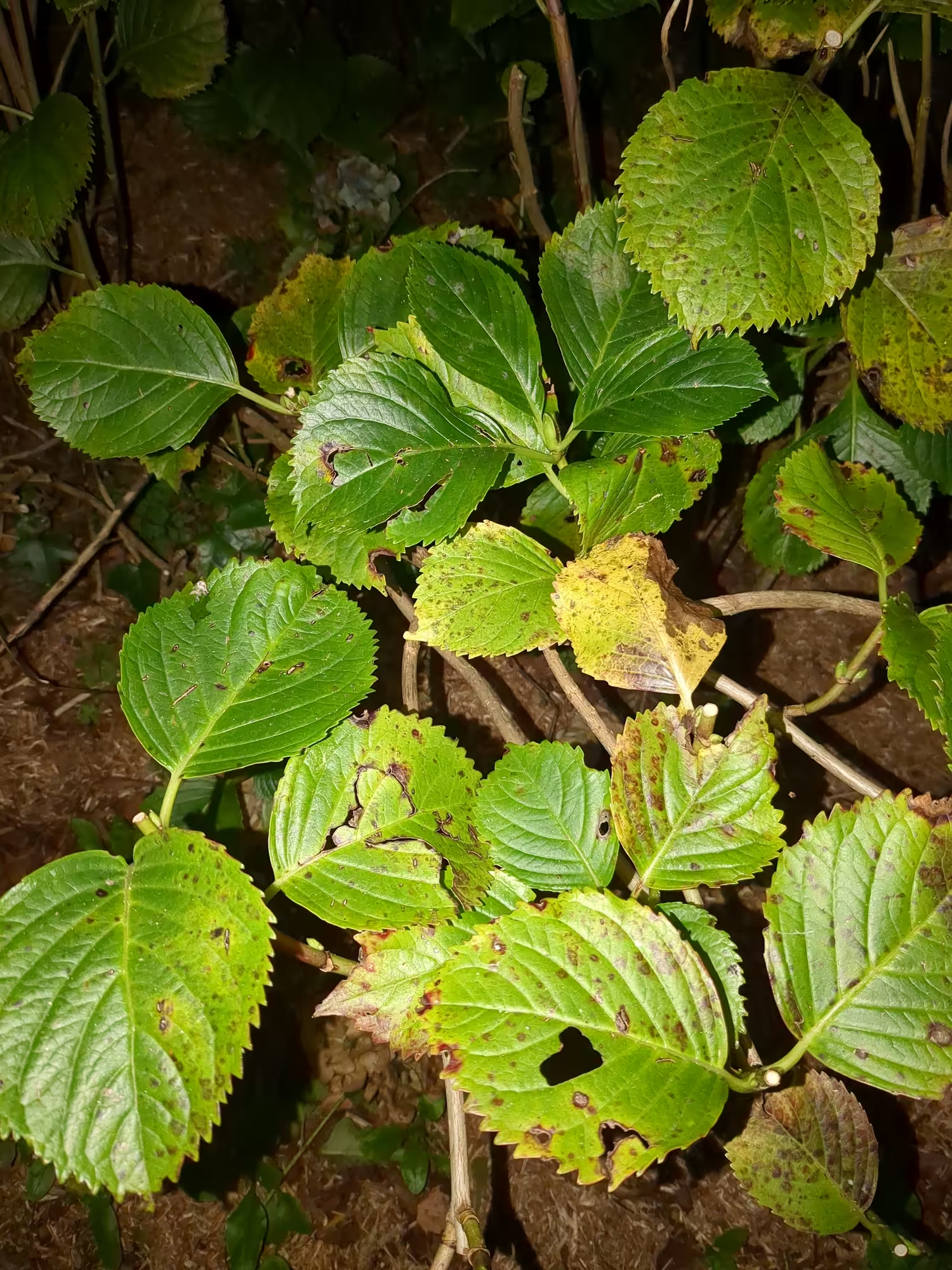
I have seen a possum munching on the hydragnea leaves late at night. This is very naughty and the possum is in trouble.
More Photos
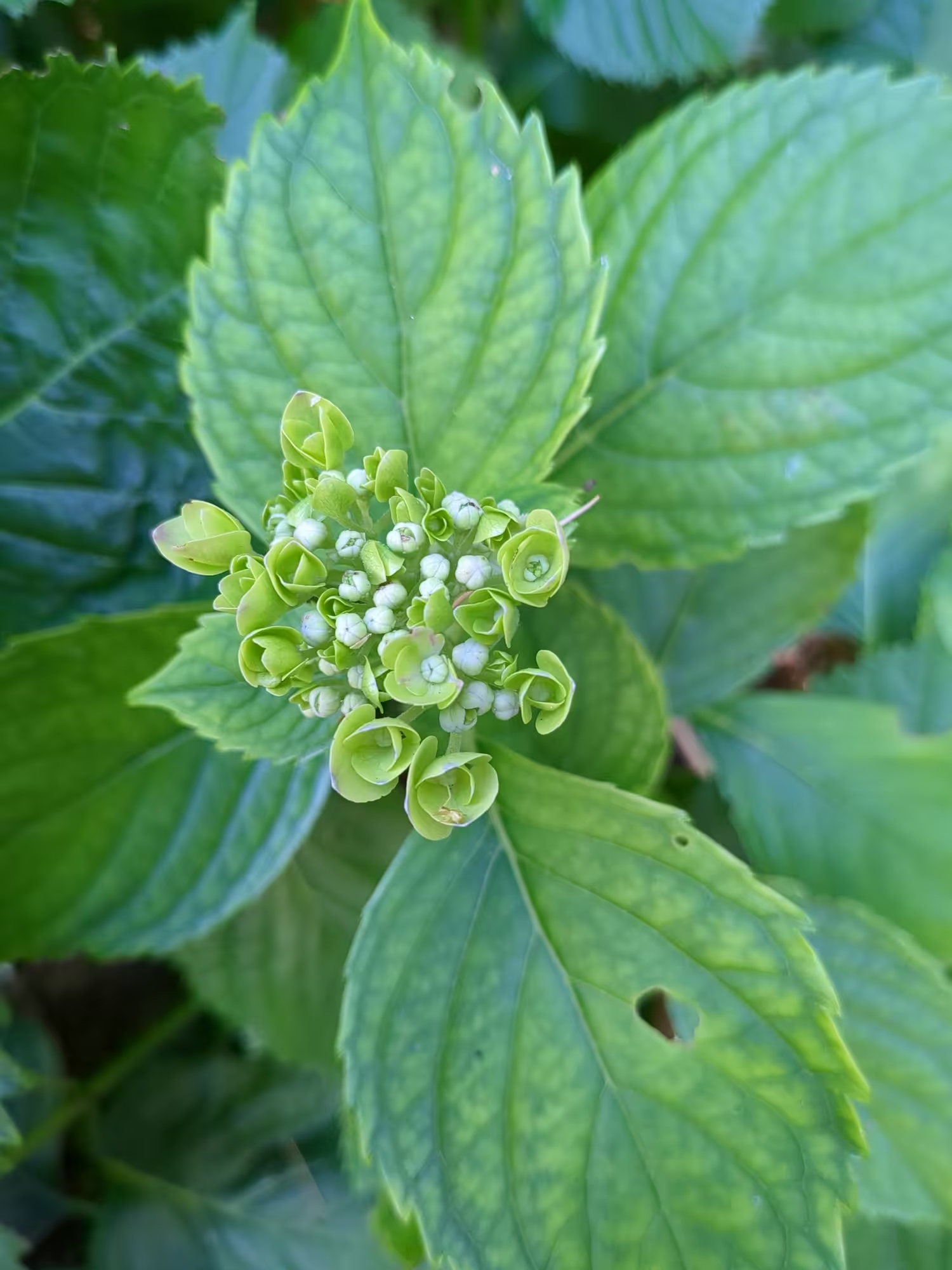
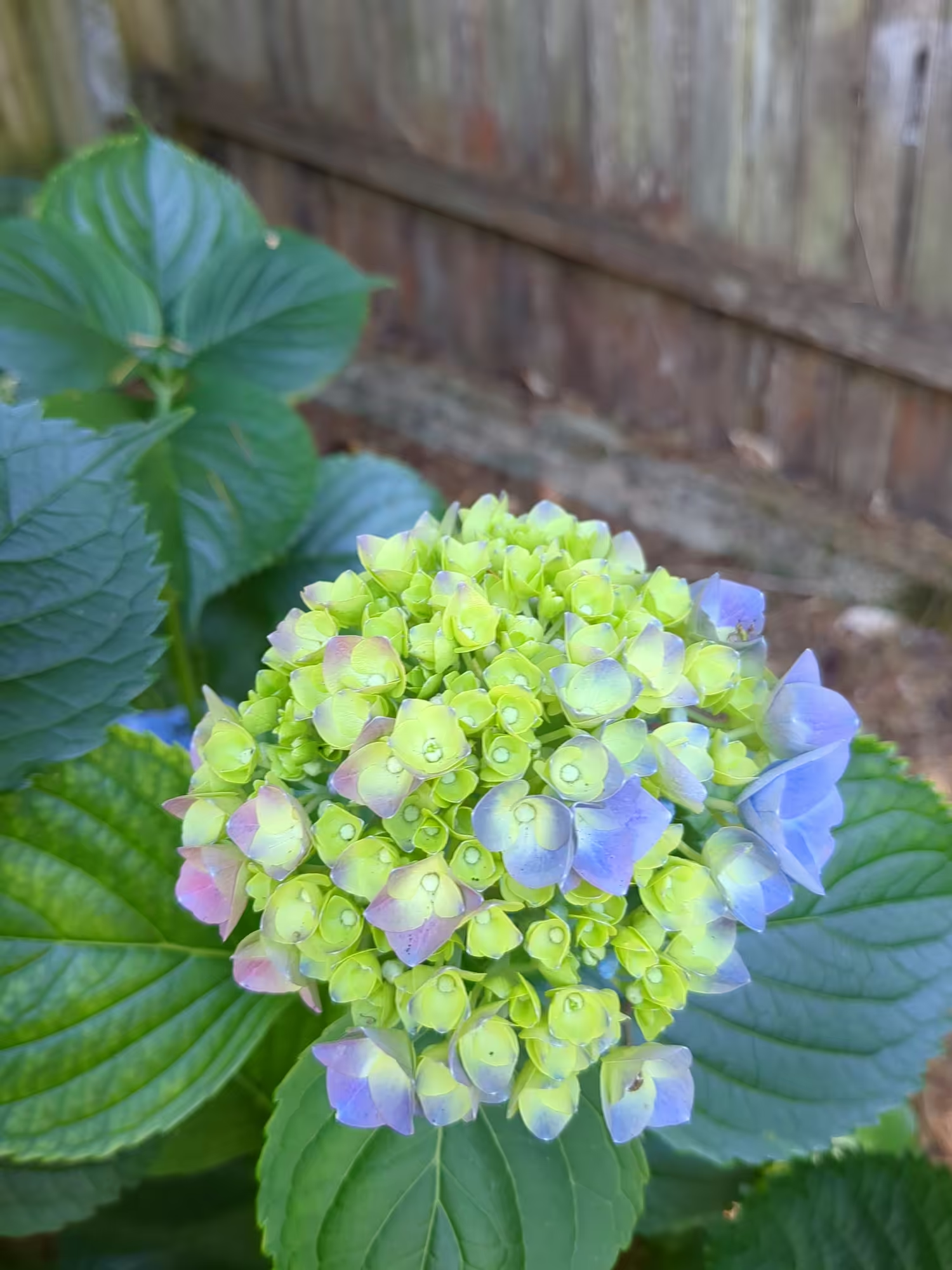
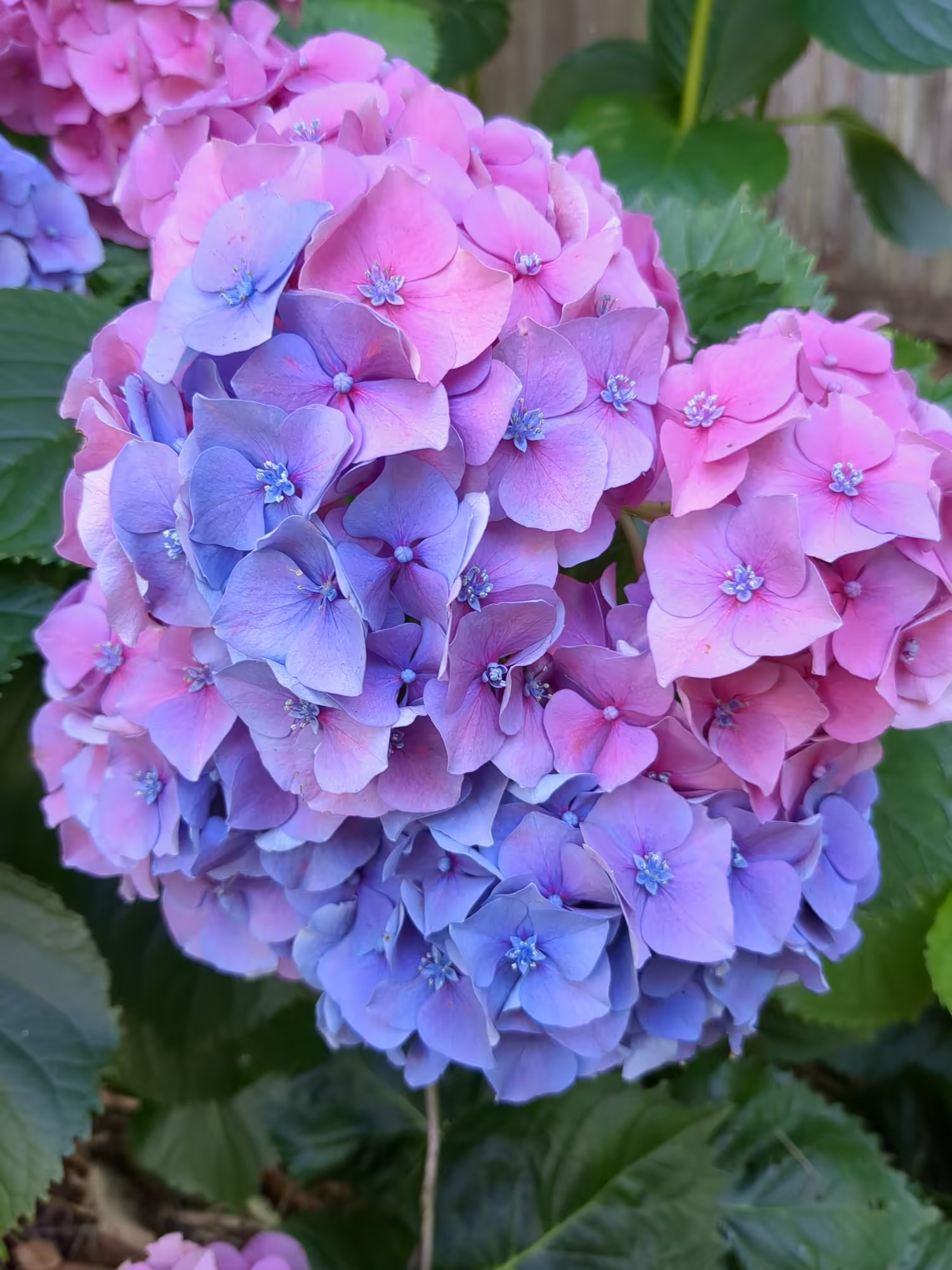
Flowers
Leaves